IS OUR FUTURE DIGITAL?
By 2050 there will be 9 billion people to feed, clothe, transport, employ and educate. We’re committed to a growth-driven world economy that must inflate for centuries, supplying limitless consumption to everyone. With new tech, could we add a digital world that helps everyone succeed and prosper while working together? Could we become a successful world where greatness is normal?
Can a New Digital Window Display a New Future?
 jj
jj
Digital transformation has been on the agenda of organizations for years and 2018-2020 is predicted to be a crucial time for leaders to plan for and implement it across industries.
"This brings it to the fore with boards, CEOs, and executive teams looking for technical and digital leadership. Leaders will put further distance between themselves and the laggards by leveraging new technologies and developing capabilities that enable them to predict customer needs and continuously stay ahead of changing customer desires." - Forrester
Leading concerns about the future of digital life.
Johanna Drucker, professor of digital humanities in the department of information studies at the University of California, Los Angeles, said, “The question ignores the growing and disastrous division between poor, disenfranchised populations and wealthy, privileged ones. There may be huge improvements in some people’s lives and negative impacts for many, many more – pollution, toxins from waste generated by electronic media, deregulation of labor conditions for workers in the high-tech industries, deterioration of support systems and social infrastructure and so on.”
Michael Kleeman, a senior fellow at the University of California, San Diego, and board member at the Institute for the Future, wrote, “Because of the economic disparity the new technologies will be used with those with access to more resources, financial and technical. The digital divide will not be one of access but of security, privacy and autonomy.”
Jillian C. York, director of international freedom of expression for the Electronic Frontier Foundation, commented, “I don’t believe that technology will be a net negative; rather, I worry and suspect that it will make life better for some of us but worse for others. Much of the technology coming out of Silicon Valley aims to serve elites, when we should be aiming toward equality for all.”
Zoetanya Sujon, a senior lecturer specializing in digital culture at University of Arts London, commented, “In my view, and drawing from the growth of global big tech companies and decreased pluralization of global platforms, I believe that in 50 years, the economic and cultural divides between rich and poor, developed and developing nations, technologically advanced and disadvantaged will continue to grow. These divides are serious and already take place within urban centers, between developing and developed nations, and between rural and urban areas, to name only a few sites of division. Thus, for those with capital, including access to new technologies and the literacies that come with them, life will likely involve wearable and ubiquitous computing based on internet and platformed communication…. These kinds of tools will likely be available only to those with the economic and cultural capital to access them.”
John Laudun, a respondent who provided no identifying details, commented, “The next 50 years is going to be great for a percentage of humans smaller than the percentage of humans for whom things will probably get worse. We continue to forget that 75% of the world’s populations are effectively peasants, individuals (living in families, groups, etc.) who engage in subsistence agriculture. Too often when we project into the future we imagine ourselves, people like us or the people we think we see. But there are hosts of groups that we do not see. How will technological advances, and their various implementations, help or hurt them? No one, for example, could have predicted the explosion in micro-transactions connecting villagers to one another and a wider world thanks to the cellphone.”

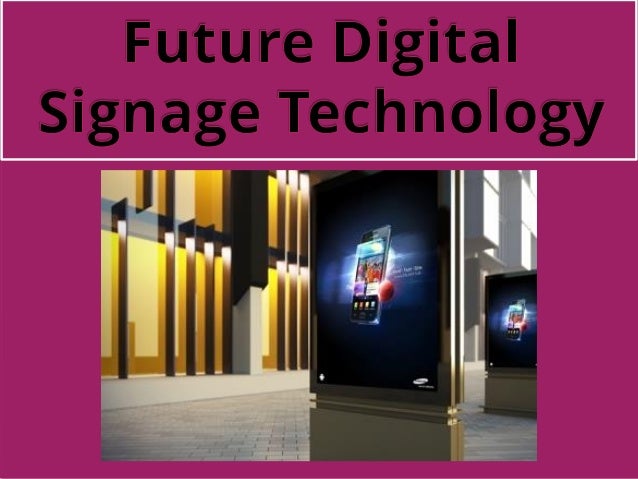 Today digital technology has transformed much of our world, but if you look closely, you can already see the contours of its inevitable descent into the mundane. ... Just as we still use heavy industry but no longer say we live in the Industrial Era, in the future, we'll still use digital technologies


16 comments:
Good job. Insightful
Great work
good work and keep updated
nice work
ese hi post daalte rhoo
Amazing work beta
I am so impressed
Good work
The way you are struggling for making these blogs are really appreciable ...... Keep it up
This blog is very nyc it's opened my eyes
Good message
Great work
happy last one
Very fantastic and impressive work
👏👏
🙌 great work
Post a Comment